

Have you felt alarmed by the idea that lectins in beans are “bad for you? If you have ever felt overwhelmed by all the conflicting nutrition advice out there, you are not alone. One week, a food is labeled a “superfood,” and the next week, it is suddenly something to avoid. Lately, lectins have joined that list of so-called problem foods, leaving many people unsure about beans, lentils, and other plant staples they have enjoyed for years.
If you are trying to eat in a way that supports healthy aging, steady energy, and lower inflammation, this kind of confusion can be frustrating. The truth is, when you look past the hype, lectins are far less scary than social media makes them out to be.
What are Lectins?
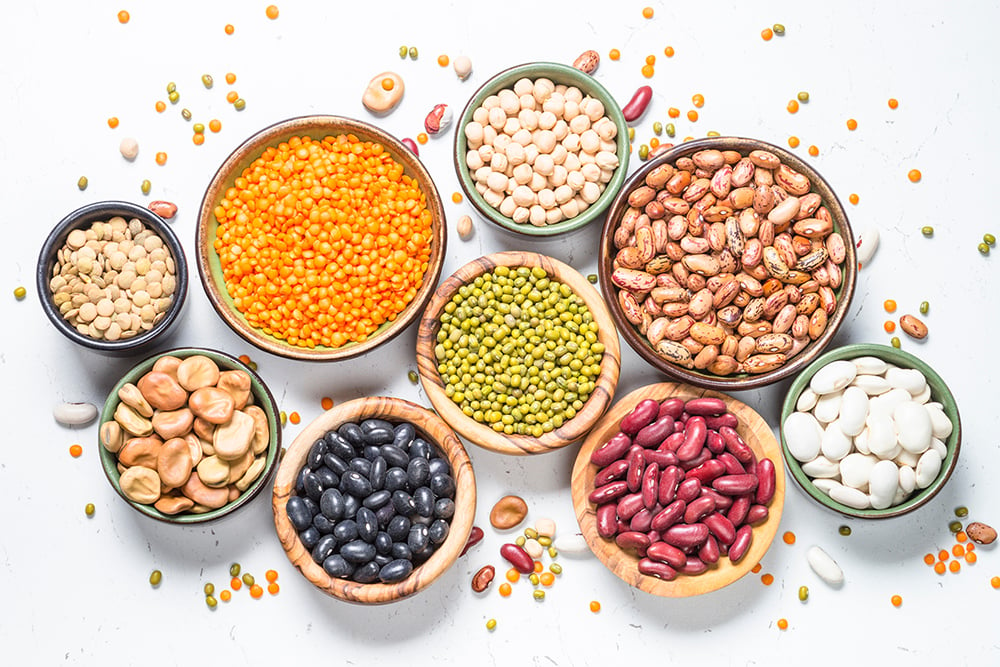
Lectins are proteins that occur naturally in many plant foods, including beans, whole grains, nuts, seeds, and some vegetables. They are plants’ natural defense against pests, but they can cause issues in raw or undercooked foods. That does not automatically make them dangerous to humans. In fact, these compounds gently challenge our cells in a way that strengthens our own defense systems.
What really matters is how these foods are prepared and how they are eaten.
What are the Concerns with Lectins?
The main concern with lectins comes from raw or undercooked beans, which have the highest concentration and can cause digestive upset. Sensitive individuals, such as those with gut issues like leaky gut or IBS, may still experience discomfort even with cooked foods from residual lectins or the high fiber and carbohydrate content.
You’d never want to eat them raw, but this is not how beans are traditionally consumed. Across cultures, people soak, cook, ferment, and pressure-cook legumes, which dramatically reduces lectin activity. Once beans are properly cooked, they are not only safe, they’re one of the most studied foods linked to long-term health.
In real life, people who eat mostly whole plant foods tend to have lower levels of inflammation. Beans and lentils help reduce inflammation because they are packed with fiber and other plant compounds. They feed the good bacteria in your digestive system and make it easier for your body to keep inflammation in check. When your gut is healthy, everything else tends to work better, too.
What About Other Foods with Lectins?
Lectins are not just found in beans. They are also found in whole grains, nuts, seeds, tomatoes, potatoes, eggplant, peppers, squash, and even fruits. Most of these foods are eaten cooked, baked, or otherwise processed. Heat significantly reduces lectin activity. Boiling, roasting, pressure-cooking, and even baking break lectins down so they are no longer a problem.
In addition, lectins occur at relatively low concentrations in most other foods. Your digestive system is well equipped to handle small amounts of these proteins.
Fruit lectins are present in very small amounts and do not pose a problem for healthy people.
Lectins are a normal part of plant foods. Outside of raw or improperly cooked beans, they do not pose a real risk for most people.

Stories from the Blue Zones
In the regions known as Blue Zones, where people live the longest and healthiest lives, beans are eaten daily. They are often described as a cornerstone of the diet. These populations have lower rates of heart disease, diabetes, and inflammatory conditions, not higher.
There is an irony in how lectins are talked about. Many of the foods most often criticized for containing them are the same foods shown in research to reduce inflammation, improve blood sugar control, and lower LDL cholesterol. Cutting beans out of the diet usually means eating less fiber and fewer protective nutrients, which can actually make inflammation worse over time.
Eating in an anti-inflammatory way does not mean cutting out entire food groups. It usually comes down to sticking with real, everyday ingredients and cooking them the way people have for generations. When beans are soaked and fully cooked, they are just regular, nourishing food, not something you need to worry about.
If you are trying to lower inflammation and stay healthy as you age, beans and other whole plant foods make a lot of sense to keep them in your diet. They have a long track record of helping people feel better over time, even if they are not as flashy as the latest online food trend.
FAQ: What If Beans Bother My Digestion?
What if beans make me gassy or bloated?
That happens to a lot of people, especially if beans are new to your diet or you have not been eating much fiber. It usually helps to start with a small serving and see how you feel. Rinsing canned beans well can also make a difference. Over time, your digestion often adjusts as your gut bacteria get used to the extra fiber.
Does soaking really make a difference?
In my experience, yes. Letting dried beans soak overnight and then cooking them in fresh water can make them much easier to digest. It also reduces some of the natural compounds that can cause stomach discomfort in sensitive people.
Are canned beans okay to use?
Definitely. Canned beans are already fully cooked, so the lectins are gone. If you rinse them first, you can reduce the sodium content. Many people find they are less irritating.
Should I skip beans if I have a sensitive gut?
Not necessarily. You might just need to be more selective about which ones you start with. Red lentils, split peas, and well-cooked chickpeas can be more gentle on the stomach than larger, firmer beans. Some people also find that beans cooked in a pressure cooker are easier to digest than those cooked on the stovetop.
A Whole-Food, Plant-Based Approach for Aging Well
For me, the goal of eating a whole-food, plant-based diet is not just about avoiding disease, but it’s about feeling steady and well as I get older. I look for foods that are easy to digest, good for my heart, and help keep my energy level even. Beans check all those boxes without much fuss.
Beans are not just “allowed” on a plant-based diet. They are one of the most powerful tools for healthy aging. They provide steady energy, help preserve muscle as we age, support healthy cholesterol levels, and feed the gut microbes that play a role in inflammation, mood, and immunity. In other words,
Rather than fearing lectins, it makes more sense to lean into time-tested, traditional ways of preparing legumes and enjoy them as part of a varied, whole-food, plant-based diet. For inflammation, longevity, and overall well-being, beans are part of the solution, not the problem.
Want more of Plant-Based Cooking?
Connect with me on Facebook, Pinterest, or Instagram.


Leave a Reply